 Younès Benallal
9 Best Quiz Funnel Examples to Convert Visitors into Customers
You can’t read minds. Also, unless you are a pro detective, you cannot know everything about a first-time visitor just by looking at Google Analytics. Traffic sources and bounce rates only offer guesses.
A quiz funnel changes this dynamic completely. It lets you stop assuming and start asking questions. This bridges the gap between casual curiosity and high-value conversion.
What is a quiz funnel and how does it work
A quiz funnel is also called a quiz marketing funnel or product recommendation quiz. It is an interactive survey that guides website visitors toward a specific goal, like becoming a lead or a customer.
Unlike a standard popup that simply asks for an email, this works like a personality quiz. Users answer a series of questions to learn something about themselves.
The process is simple but effective. It works like this:
- Attract attention with an engaging headline or question that sparks curiosity.
- Engage and segment visitors by collecting answers about their budget, preferences, or other details. This helps you segment shoppers individually, avoiding vague groups like "first-time visitor."
- Provide tailored results by using an algorithm to deliver personalized outcomes. Such as product recommendations or personality profiles.
- Capture leads by presenting an opt-in form before revealing the final result. Since users want to see their personalized answer, they are more likely to share their contact information.
- Follow up using the data collected to send targeted emails or offers that match their quiz responses, boosting conversion chances.
The psychology behind why users love interactive content
One reason a quiz was among the New York Times website’s most-read stories is simple. People love to talk about themselves. You can find out which Harry Potter house you belong to, choose a dog breed, or discover your dialect. Quizzes attract attention.
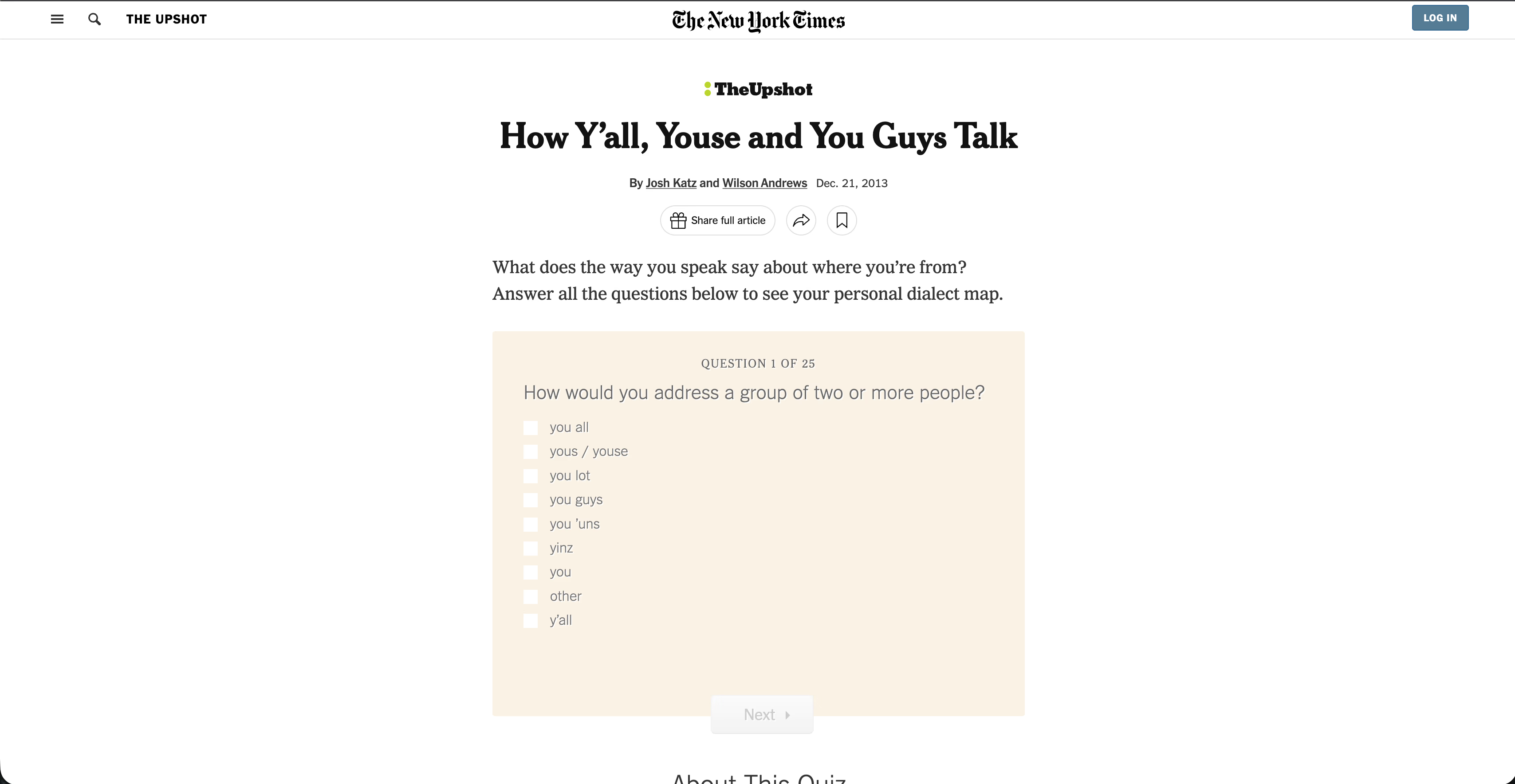
This appeal comes from powerful psychological triggers:
- Curiosity and self-discovery: People don’t know the outcome in advance, which creates strong curiosity. We want new insights about ourselves.
- The Buzzfeed effect: When users get accurate results, they feel driven to share them. This word-of-mouth encourages others to take the quiz.
- Completion bias: After starting, users feel motivated to finish the quiz. Progress bars encourage this by showing how close they are to the end.
- Fear of missing out: Sometimes quizzes include social proof or limited-time offers. With that, FOMO pushes about 60% of people toward reactive purchases.
Quiz funnel examples
The average website conversion rate was just 2-3% in 2024. However, brands using quiz funnels are seeing conversion rates of 30% or higher. These quiz examples show how innovative marketers use interactive quizzes to convert passive browsers into engaged buyers.
1. Sephora shade finder
In ecommerce, choice can either attract or overwhelm customers. Sephora created a quiz funnel to help customers find their perfect foundation shade, addressing confusion from too many options.
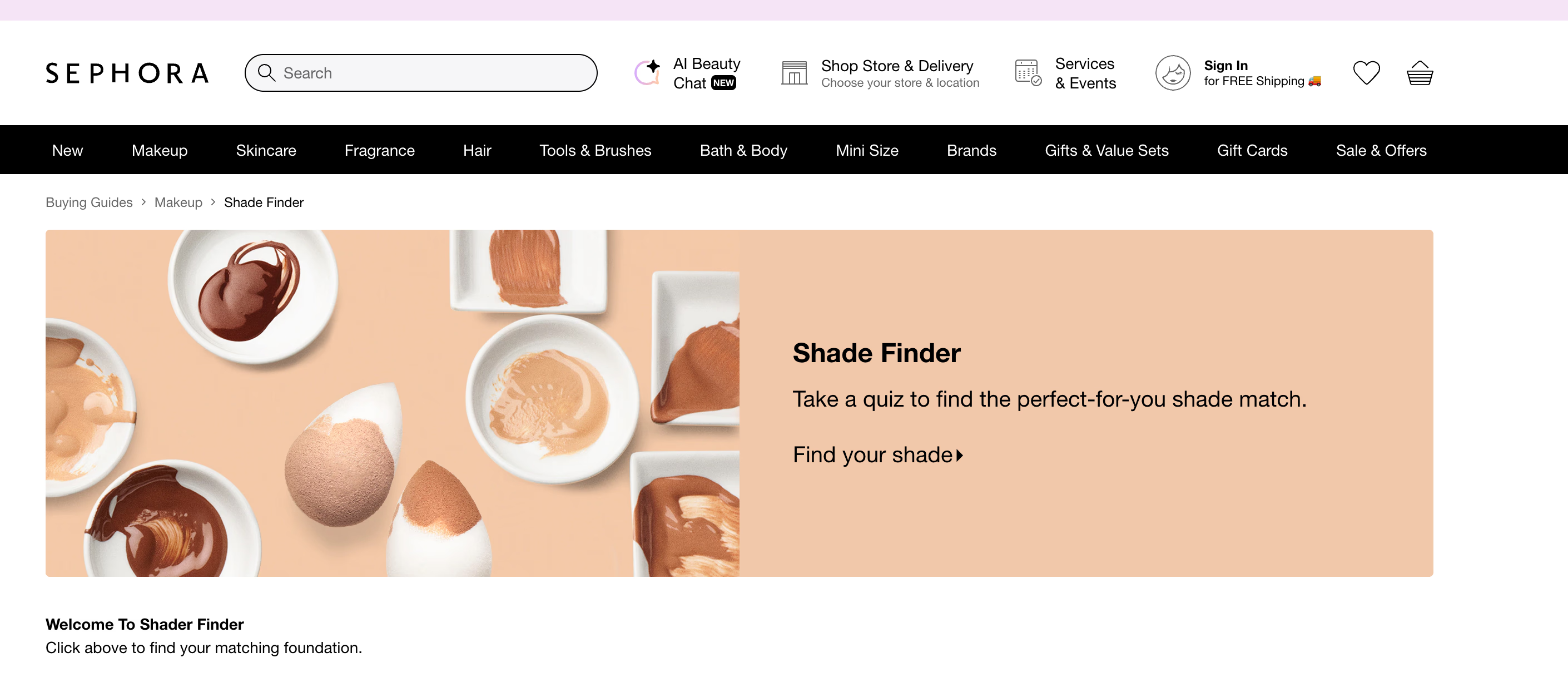
The quiz replaces a simple search bar with a step-by-step interactive experience. Instead of guessing shade names, users answer questions about their skin tone, undertone, and coverage preference. This is mimicking a knowledgeable in-store consultant.
It converts by solving decision paralysis. People wonder, will this shade actually match my skin? By the time users see their results, the product suggestions feel like a customized prescription, not a sales pitch.
The quiz removes confusion and reduces hesitation, making it easier for customers to move from browsing to purchase.
Want to explore how interactive tools beyond quizzes can drive conversions? Learn more about ecommerce chatbots and how they complement quiz funnels in guiding customers toward purchase decisions.
2. Warby Parker home try-on
Buying eyewear online is difficult—without testing the product physically, customers hesitate. Warby Parker addressed this with a quiz that acts like a digital optician, solving the "fit and style" uncertainty.
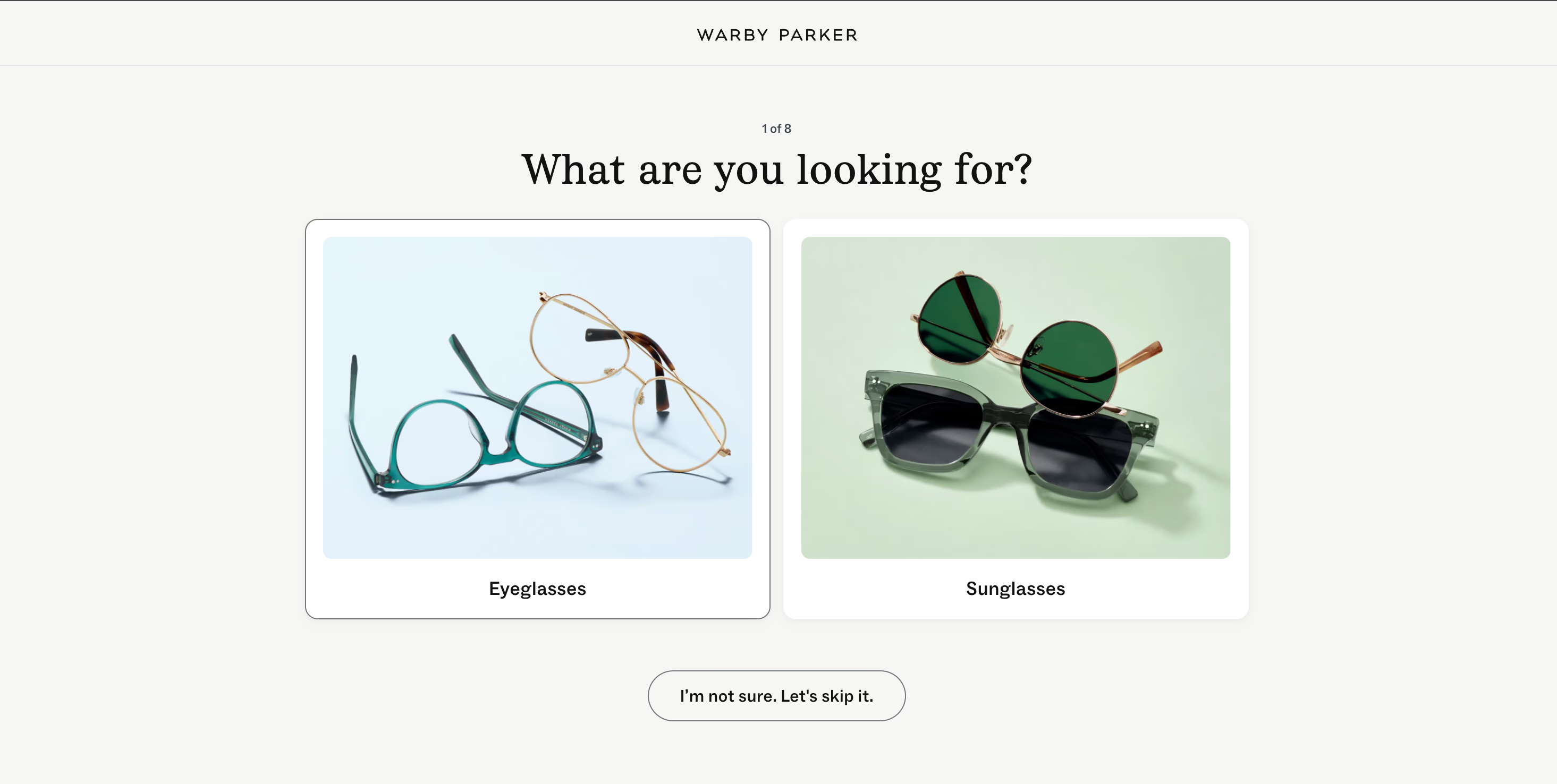
The quiz simulates a helpful shop assistant, asking about face size and shape, current eyewear habits, and frame preferences. It cleverly includes a cross-sell opportunity midway by asking if users want sunglasses recommendations.
The conversion strategy shows skillful risk reversal. Instead of pushing a sale, the quiz leads users to the "Home Try-On" program. Choose five frames to try at home for five days, free of charge.
By putting the product in customers' hands, Warby Parker builds a real connection that greatly boosts purchase chances.
3. Beardbrand personality test
Most e-commerce brands create boring quizzes focused only on utility. Beardbrand changed this by turning their quiz into a game—an identity engine that asks "What type of beardsman are you?"
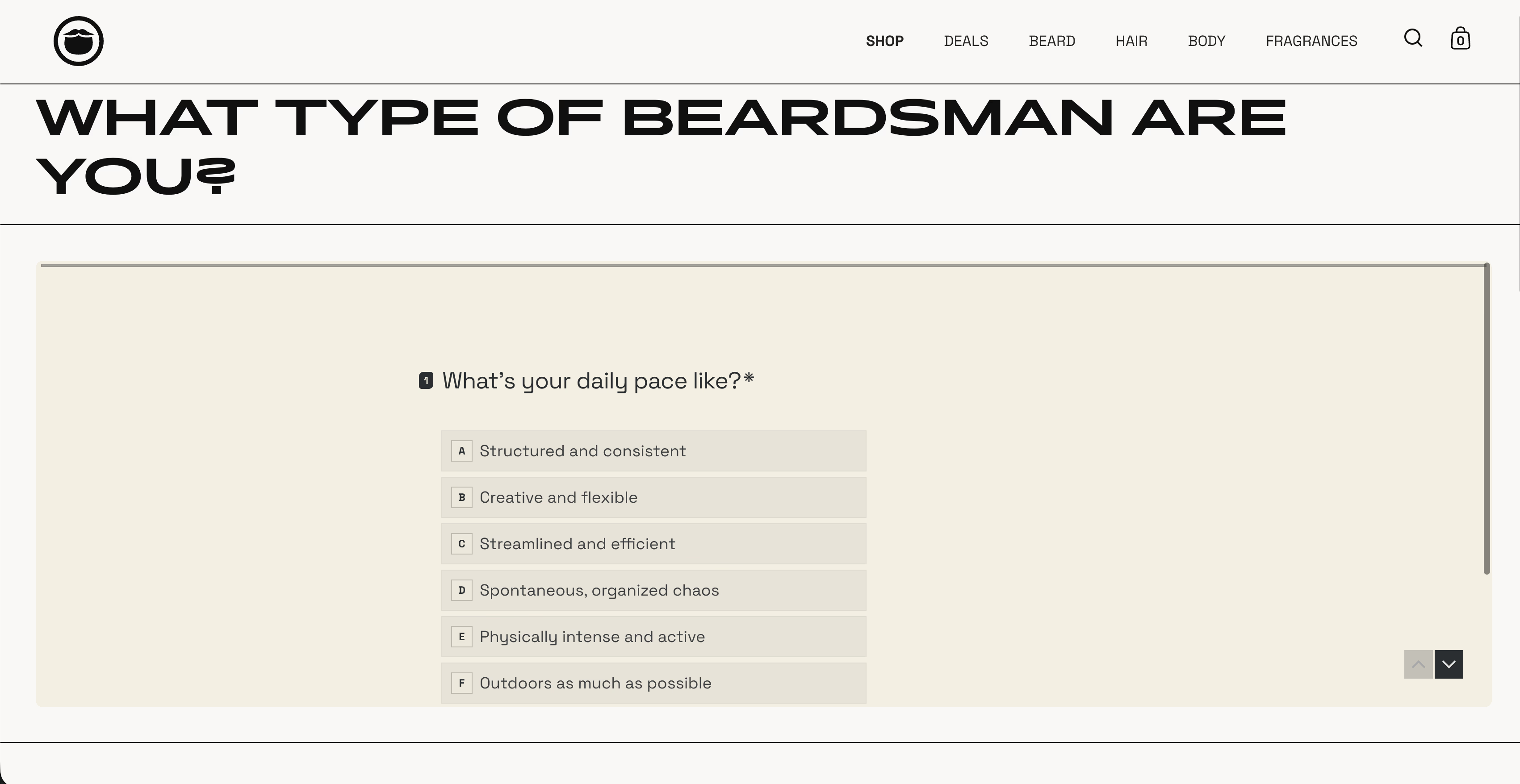
The quiz mixes grooming habits with lifestyle questions, like favorite apparel brands or location. This shows users the brand understands their aesthetic, not just their beard health. They cut friction by clearly stating the number of questions upfront.
Instead of listing products, Beardbrand assigns a character archetype like the Traveler Beardsman. Users must join the newsletter to get their results. Because they've already invested time and want to close their curiosity gap, they willingly share their email.
The funnel then lets users view products linked to their personality directly, creating a smooth path from who am I? to add to cart parts.
4. Trade Coffee taste matching
Trade Coffee shows how to digitize the sensory experience of a local cafe. Their service matches customers with local roasters. The quiz acts as a digital sommelier that cuts through the ambiguity of subjective flavor profiles.
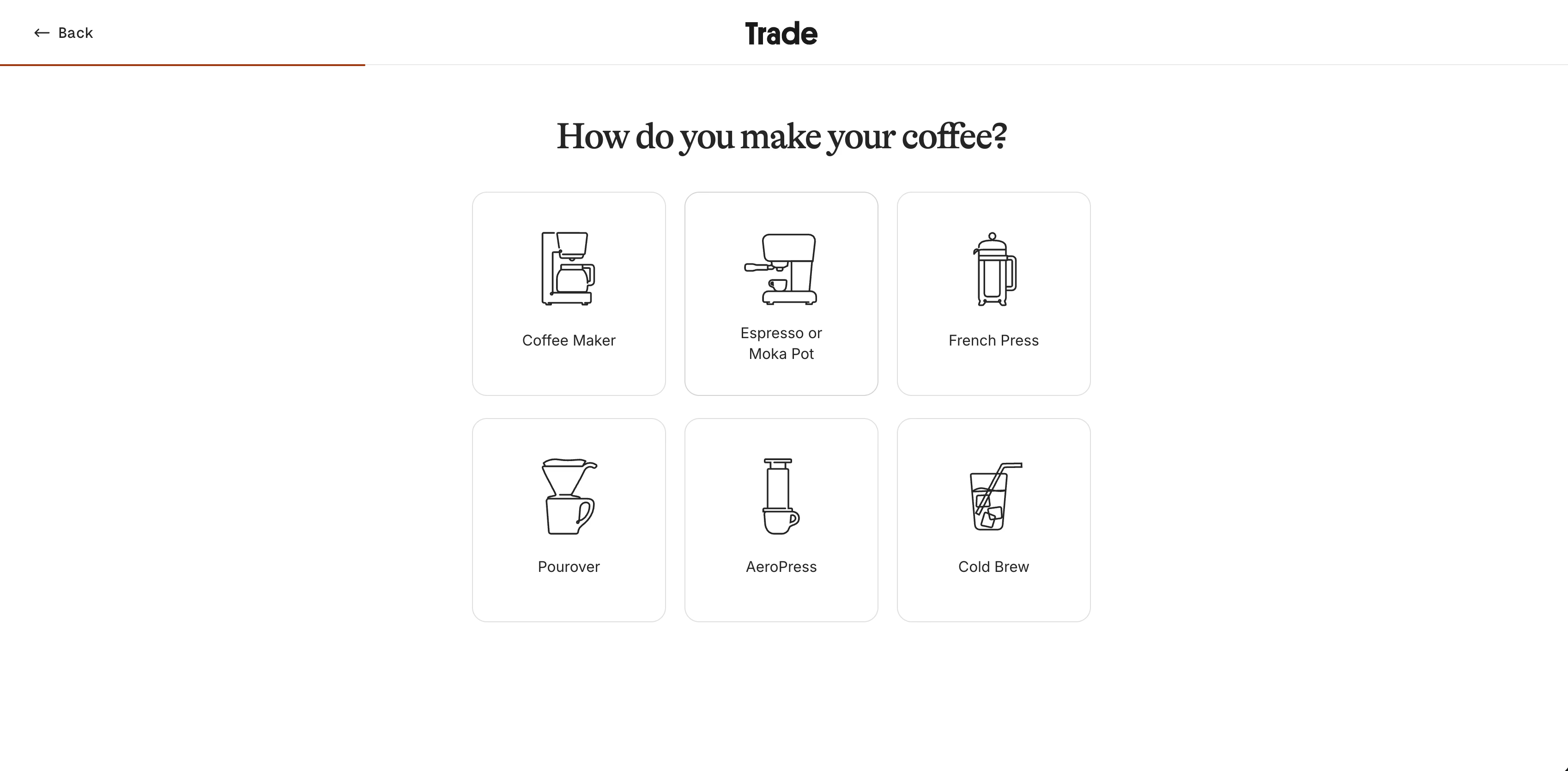
The funnel uses conversational questions that serve a strategic purpose. For example, ever add anything to your coffee? This doesn't feel like a data survey. It feels like a barista asking for your preference. It gathers important information while making users feel understood.
The quiz converts because it satisfies customers before purchase. Each recommendation matches their preferences, eliminating decision paralysis. By checkout, customers aren't just buying coffee; they're buying a solution handpicked to enhance their morning ritual.
5. BetterHelp professional consultation
Selling sensitive services like mental health support requires a different approach. BetterHelp designed a quiz funnel focused on empathy, turning a cold interface into a warm, guided connection. Its primary objective is to build immediate trust and create a safe environment.
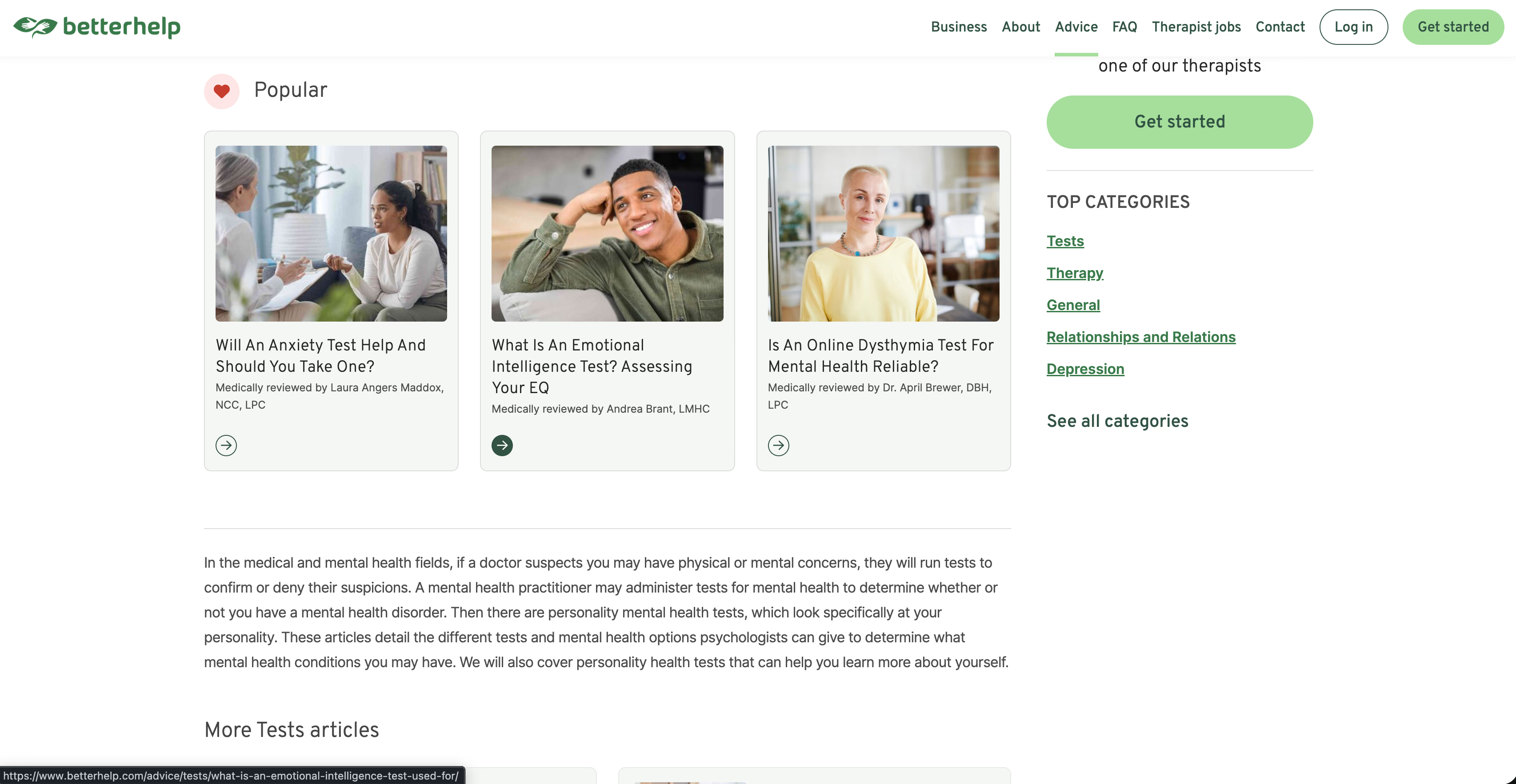
The quiz asks specific questions about therapy history and current lifestyle, making users feel seen and understood. It mimics a preliminary consultation, creating an "I know you" effect uncommon in static sign-up forms.
The funnel converts because it offers a clear solution: finding the right therapist. BetterHelp uses collected data to match users with tailored therapists. This eliminates the need to search through endless profiles and reducing decision paralysis.
6. 360Learning burnout assessment
B2B and professional services have a powerful tool. The Diagnostic Quiz. This quiz offers users a tailored diagnosis based on their specific pain points. Whether assessing career alignment or burnout levels.
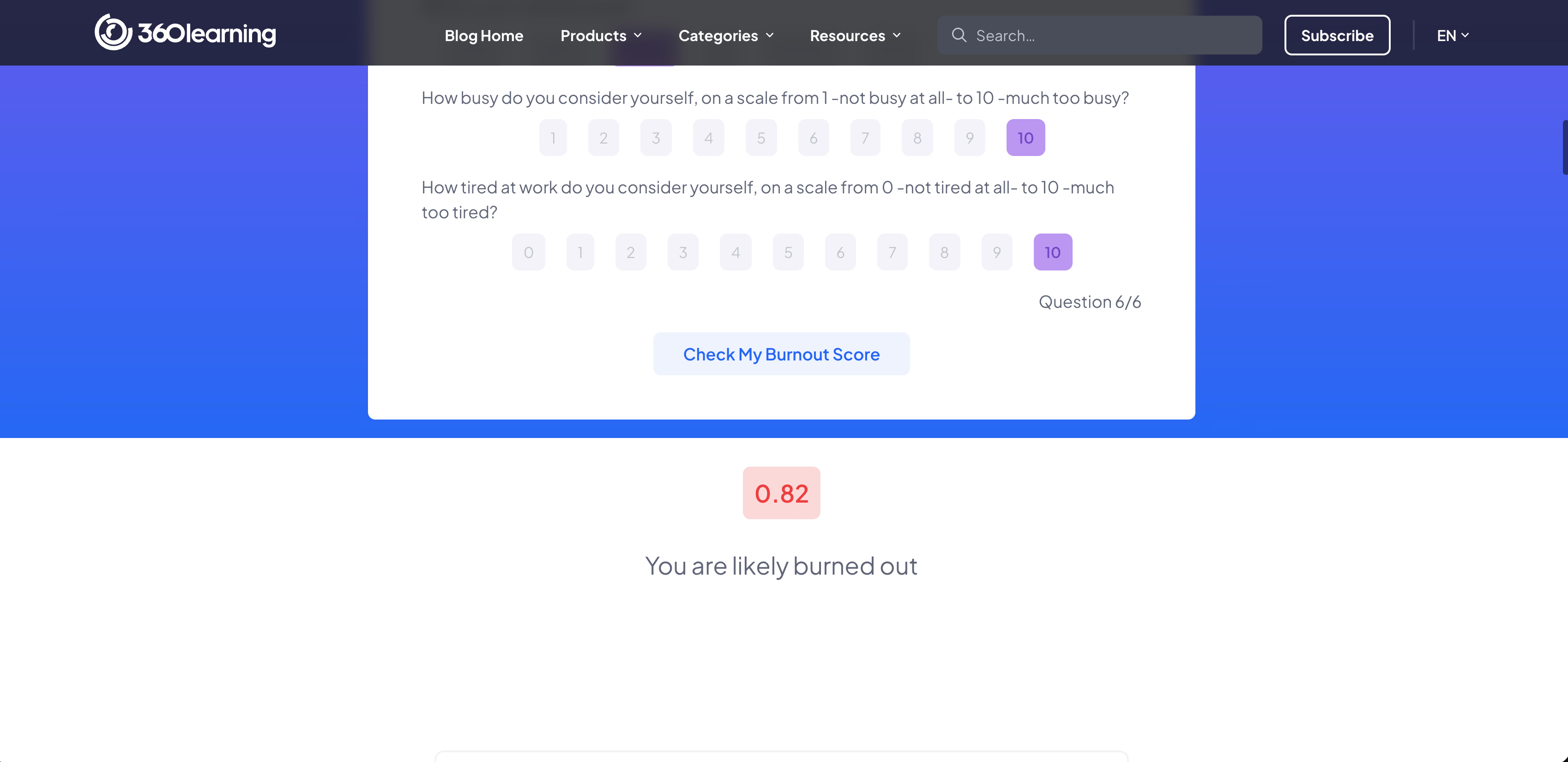
The quiz keeps users engaged by offering clarity with as few as seven questions. Users perform a self-audit rather than just clicking buttons. This format helps businesses simplify complex decisions, making the interaction feel helpful rather than promotional.
Diagnostic quizzes drive conversions by pairing diagnosis with a valuable solution. The results page offers a relevant perk, often a free consultation with a specialist. Since users have just acknowledged their problem, they're motivated to accept a solution that offers a clear next step.
7. Stitch Fix style profile
Stitch Fix didn't just add a quiz to their marketing strategy—they built their entire business model around it. The quiz addresses customers' main challenges. Finding clothes that fit their body type, match their aesthetic, and stay within budget.
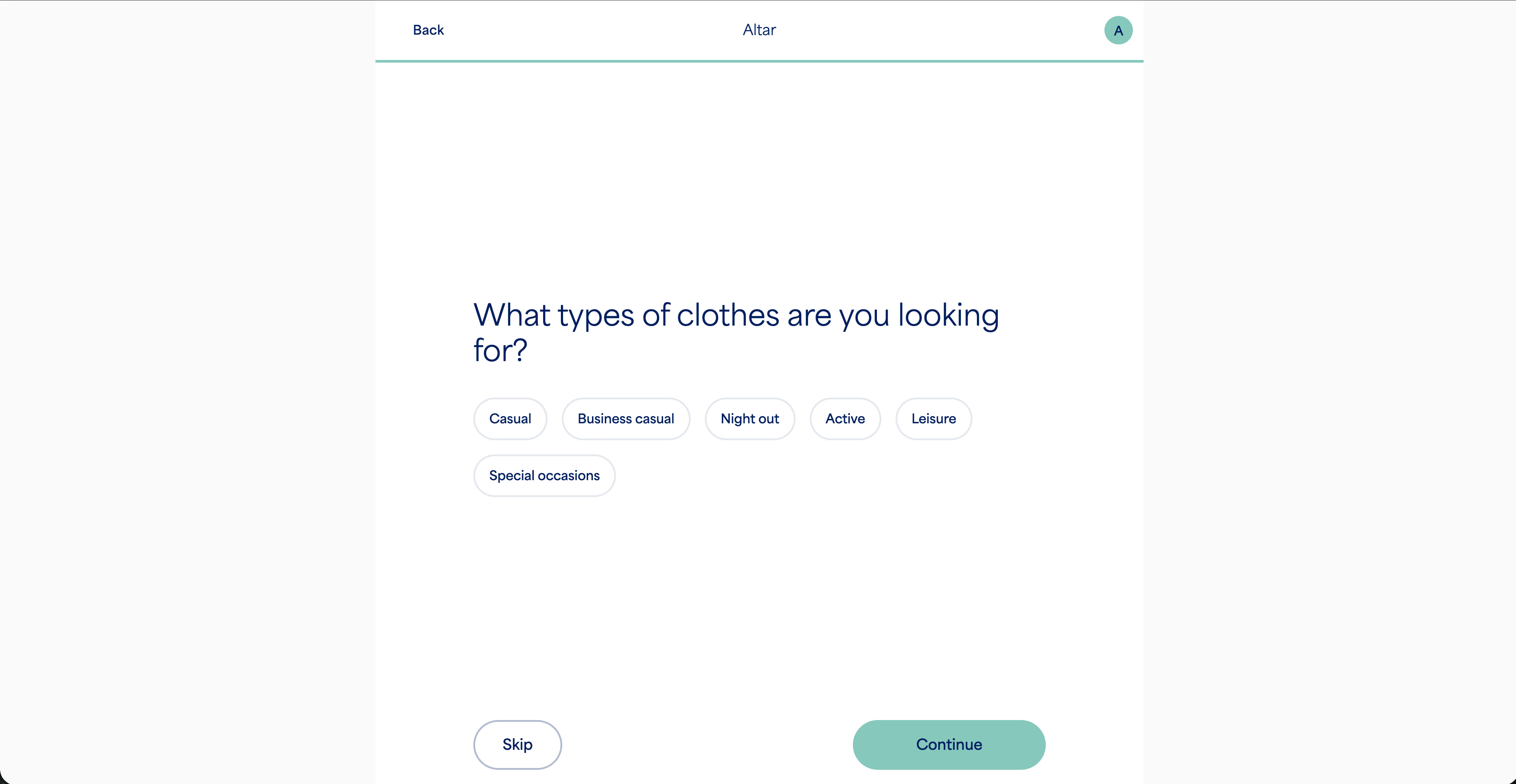
The funnel captures attention immediately with a bold heading. Choose your style quiz. As users answer questions, the funnel narrows down options. After that it removes items that are the wrong size, over budget, or don't fit the user's style.
This funnel converts by eliminating decision fatigue. Customers see products tailored perfectly to their need. No scrolling through irrelevant items.
The quiz creates a personalized environment where users feel understood. When customers see the inventory matches their responses, trust grows significantly.
8. Hims and the "consultation" approach
Hims offers a "personalized treatment plan in minutes" by simulating a one-on-one session with a doctor. The quiz acts as a digital triage, closing the gap between free generic advice and costly professional help.
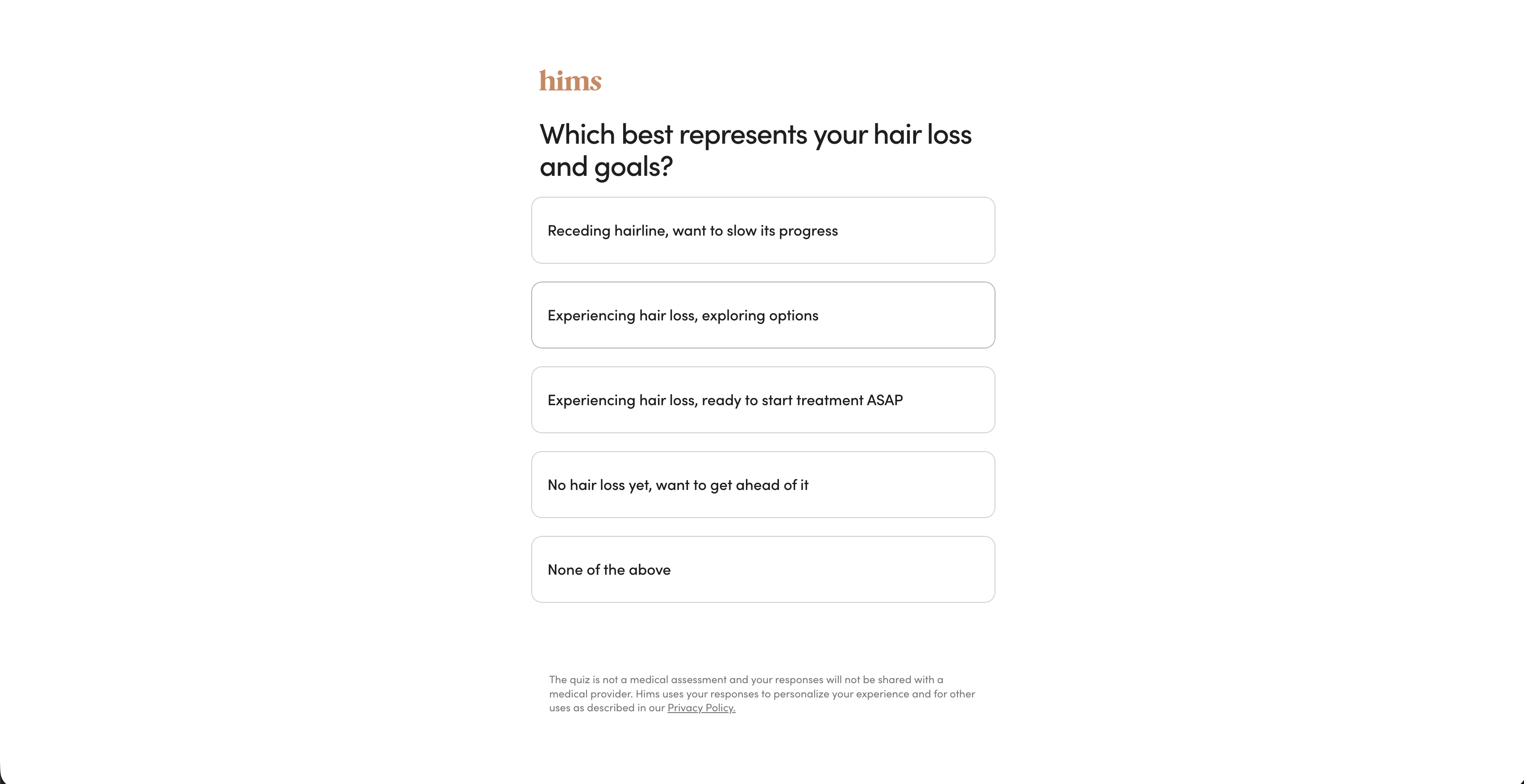
For hair loss, the quiz includes visual diagnostics, goal setting, and medical history questions. This detailed data collection segments users precisely while building psychological commitment.
Conversion depends on reducing anxiety and proving authority. Hims uses the brief wait after the last question to show social proof and success stories. When users learn they are "eligible for treatment," resistance fades. They accept a medical solution supported by a money-back guarantee.
9. IAMS dog breed selector
Pet food giant IAMS identified a key opportunity: reaching consumers before they get a pet. Instead of competing in the crowded dog food aisle, they help visitors discover which dog breed fits their lifestyle.
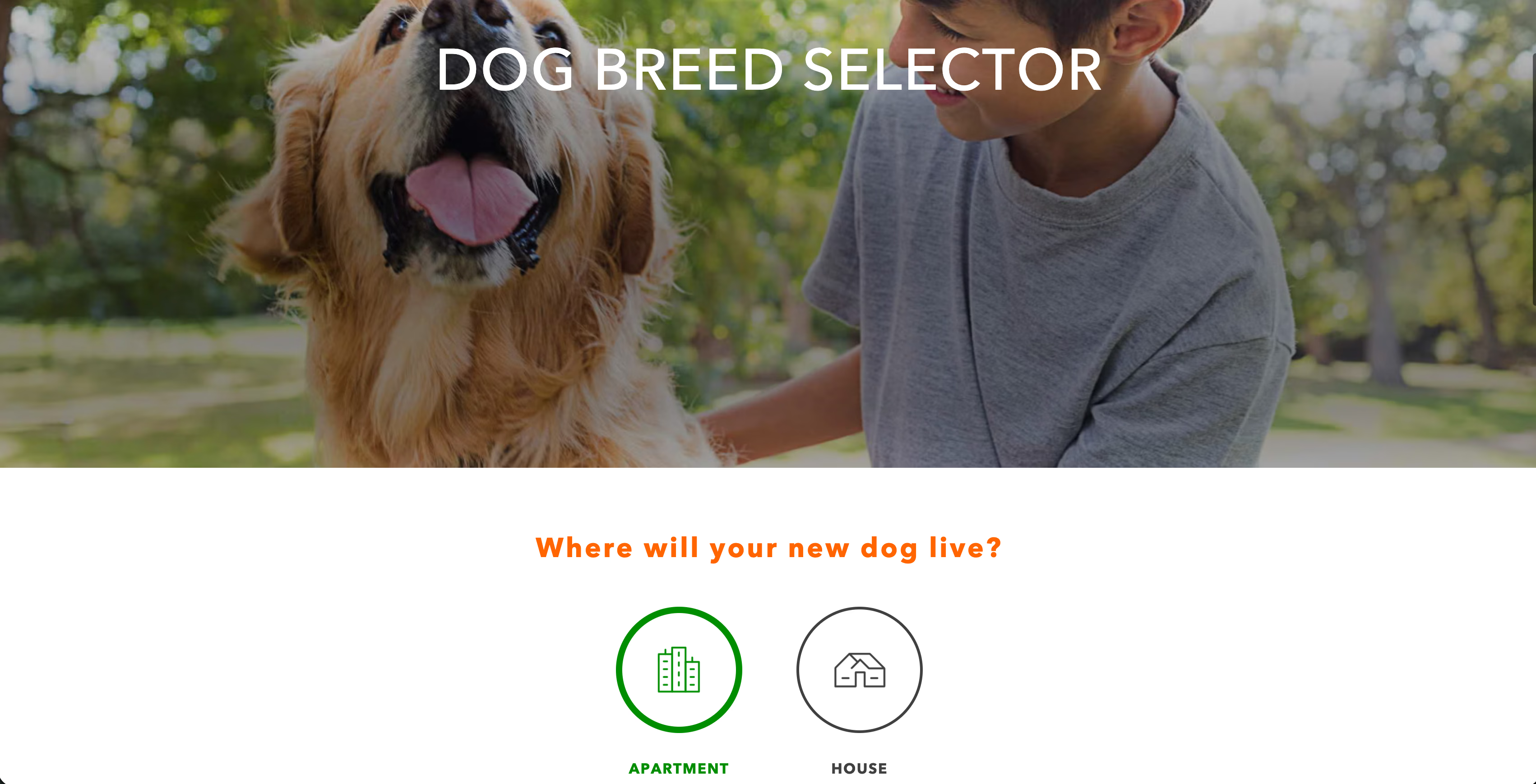
The quiz asks about exercise routines, living space, and daily habits. It feels more like a personalized assessment than a marketing tool, providing a valuable answer to an important decision.
IAMS's strategy works because it positions the company as an expert in the dog world, not just a food producer.
After users receive their breed match, IAMS invites them to join the newsletter to segment customers precisely. This early data collection keeps IAMS top of mind when the new puppy needs its first meal.
Want to ensure you're qualifying the right leads from your quiz? Check out our lead qualification checklist to systematize the process and maximize your conversion potential.
Create fully customizable chatbots without writing a single line of code.
No trial. Generous free plan.
How to build a high-converting quiz funnel with Typebot
A quiz is not just a flashy tool. It drives engagement and helps you to create automated lead qualification process. Now, it's time to build your own.
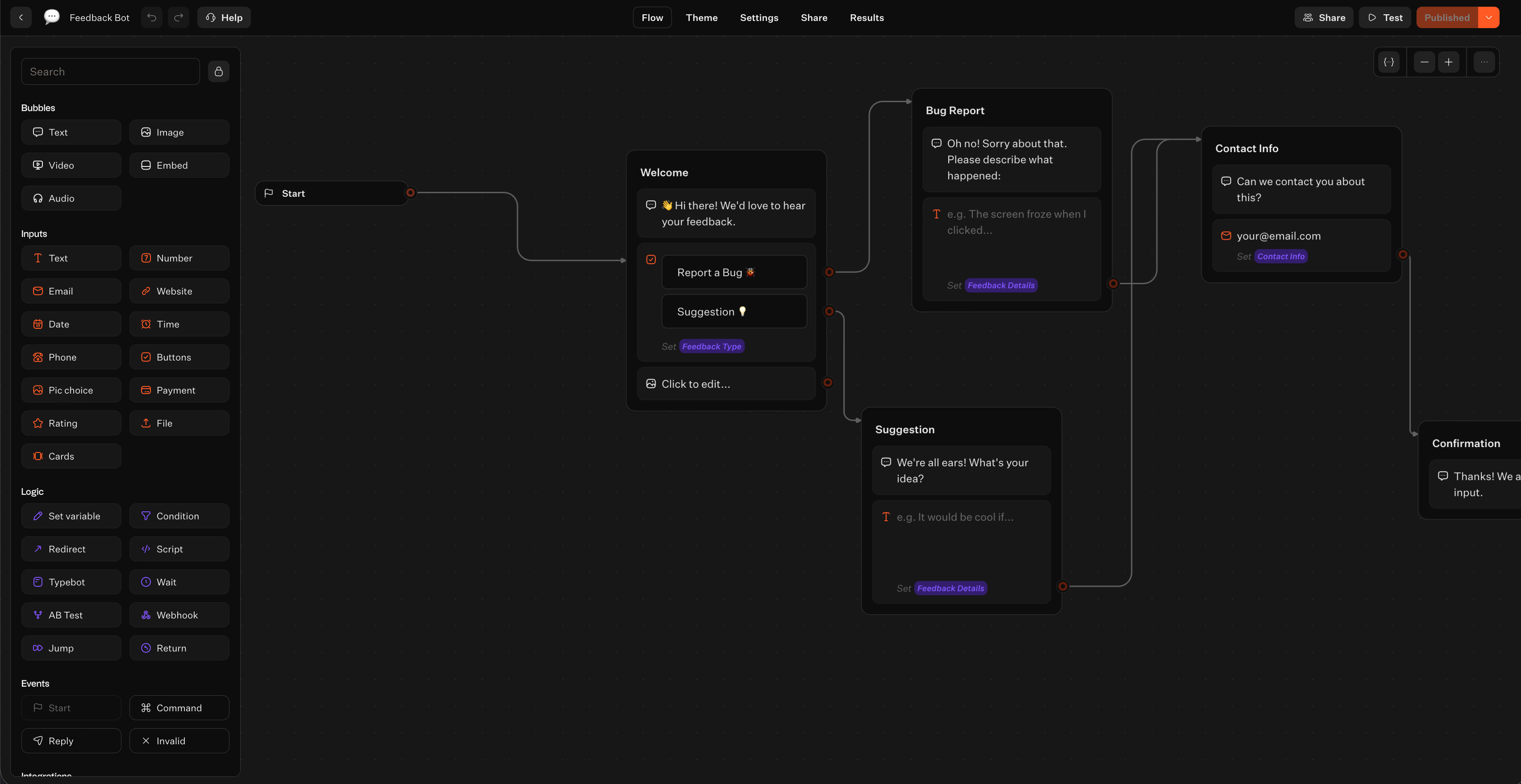
Typebot offers a visual, drag-and-drop interface that lets you create sophisticated conversational apps. You don’t need to write any code. Here's how to execute your customer service vision, whether you're solving their problems or enhancing their experience.
Identifying the burning question your audience has
The technology is powerful, but it depends entirely on the hook. If you don't grab attention immediately, even the most advanced logic won't improve your conversion rate. You need to find the "burning question". The one issue keeping your audience awake.
Avoid guessing. Use tools like Google Trends or Semrush to discover what people search for. Look at your existing content for clues, like blog posts with high engagement.
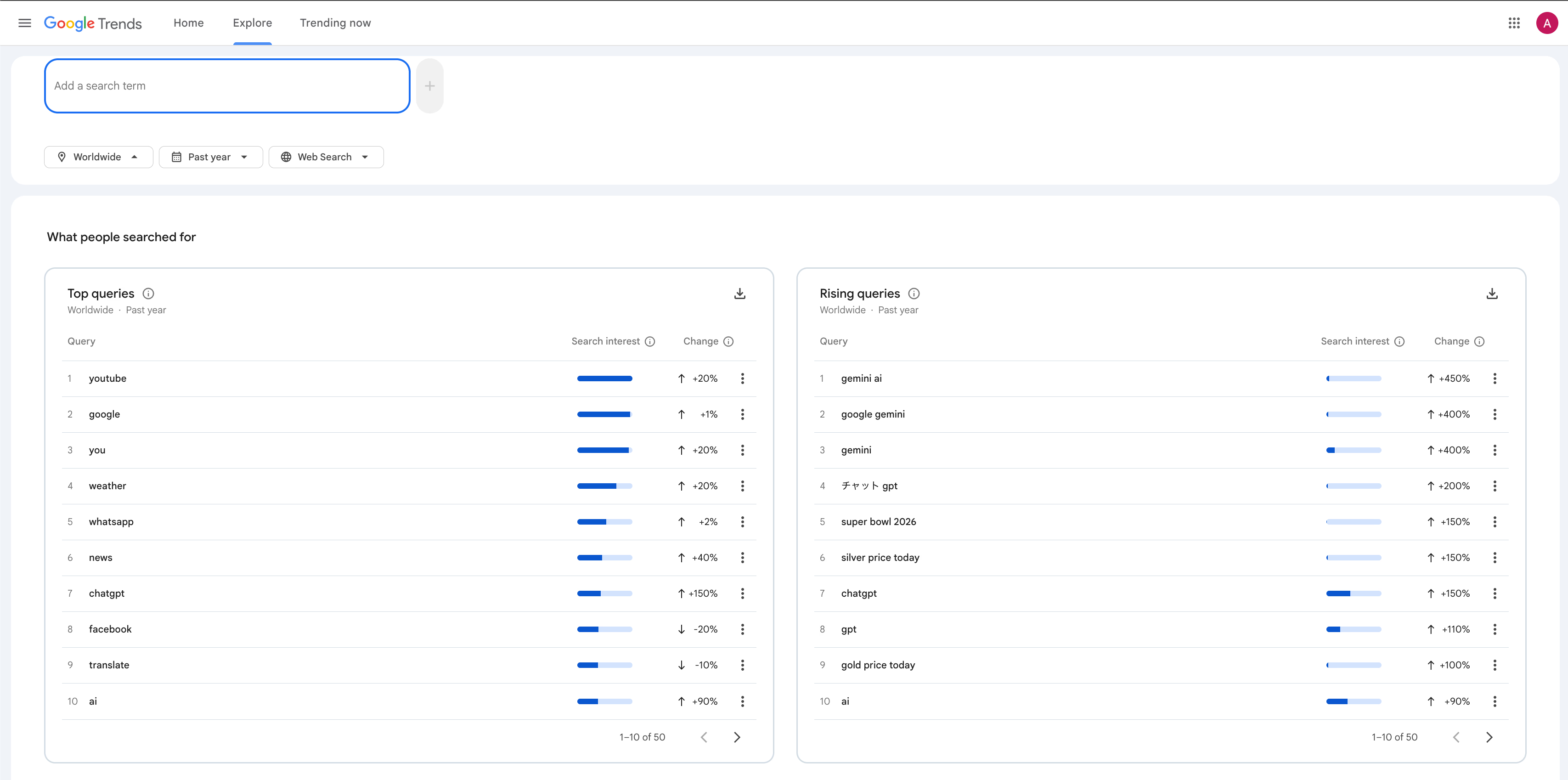
That indicates your audience’s key interests, such as "Am I at risk of burnout?" or "Which dog breed fits my apartment lifestyle?"
The goal here is engagement. A great quiz says "I KNOW YOU!" by promising personalized answers to questions your users already have. When you pick a topic that solves a pain point or fulfills curiosity, you set a strong foundation for a high-converting funnel.
Mapping out the logic branches visually
The next step is turning that burning question into a flow. Typebot's editor makes this intuitive. Instead of code, you get a visual map of your conversation. Start by dragging and dropping "Bubbles" for your questions. Keep the quiz dynamic.
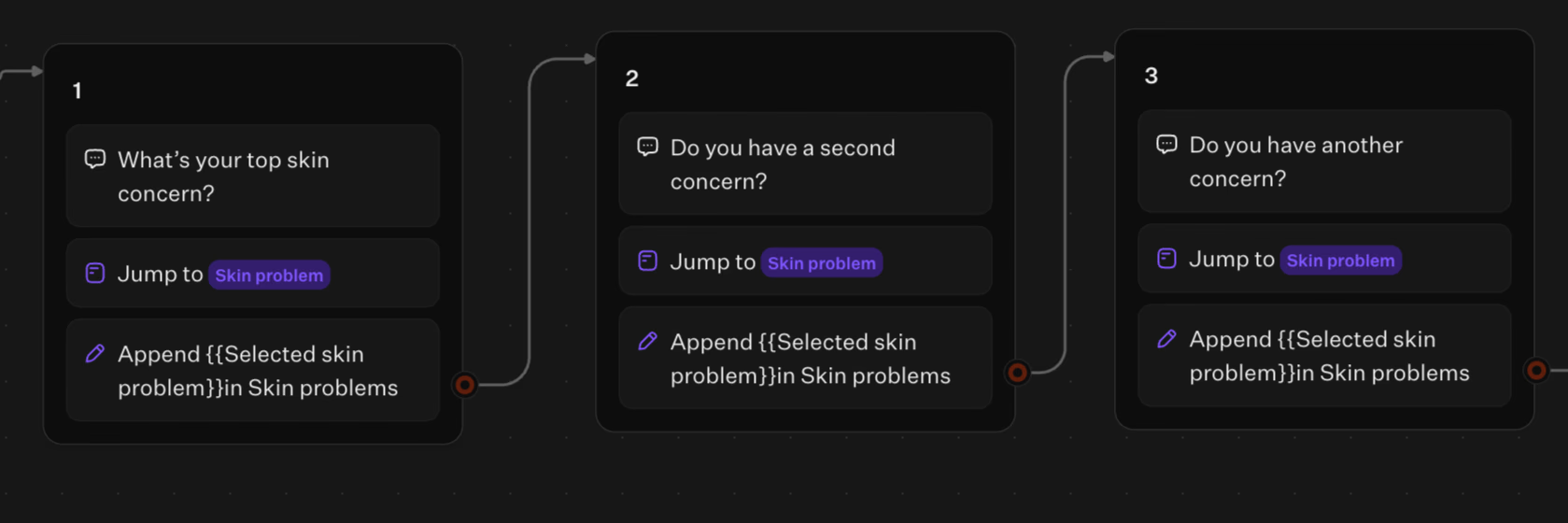
For answers, avoid open-ended text boxes. They slow users down. Use Buttons or pic choice inputs instead, which work like multiple-choice questions. These speed up responses and improve segmentation.
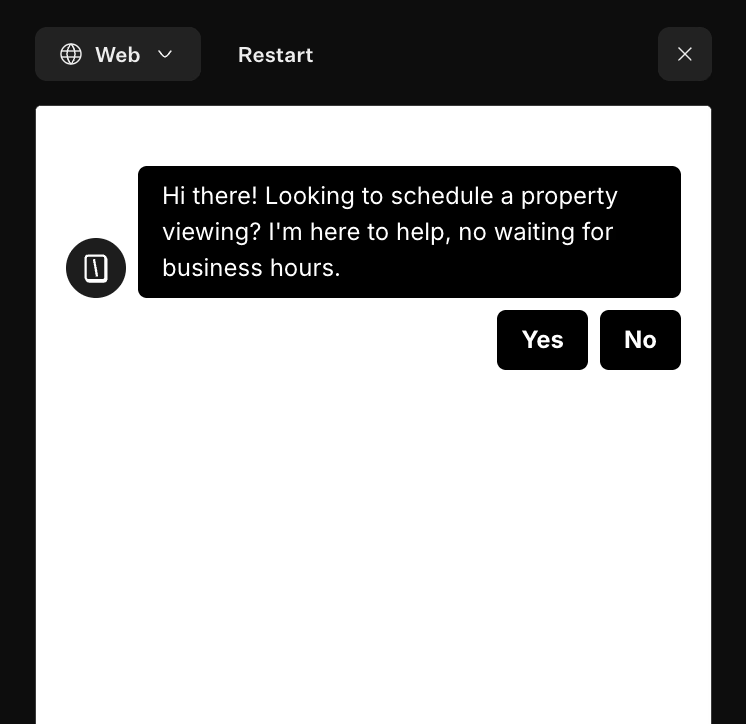
Here is where Conditional branching shines. If a user selects "I have dry skin," send them down one path. If they choose "I have oily skin," redirect them to another.
Use the Set Variable block to store preferences like "skin_type" in real-time. This way, the final recommendation feels personalized, not generic.
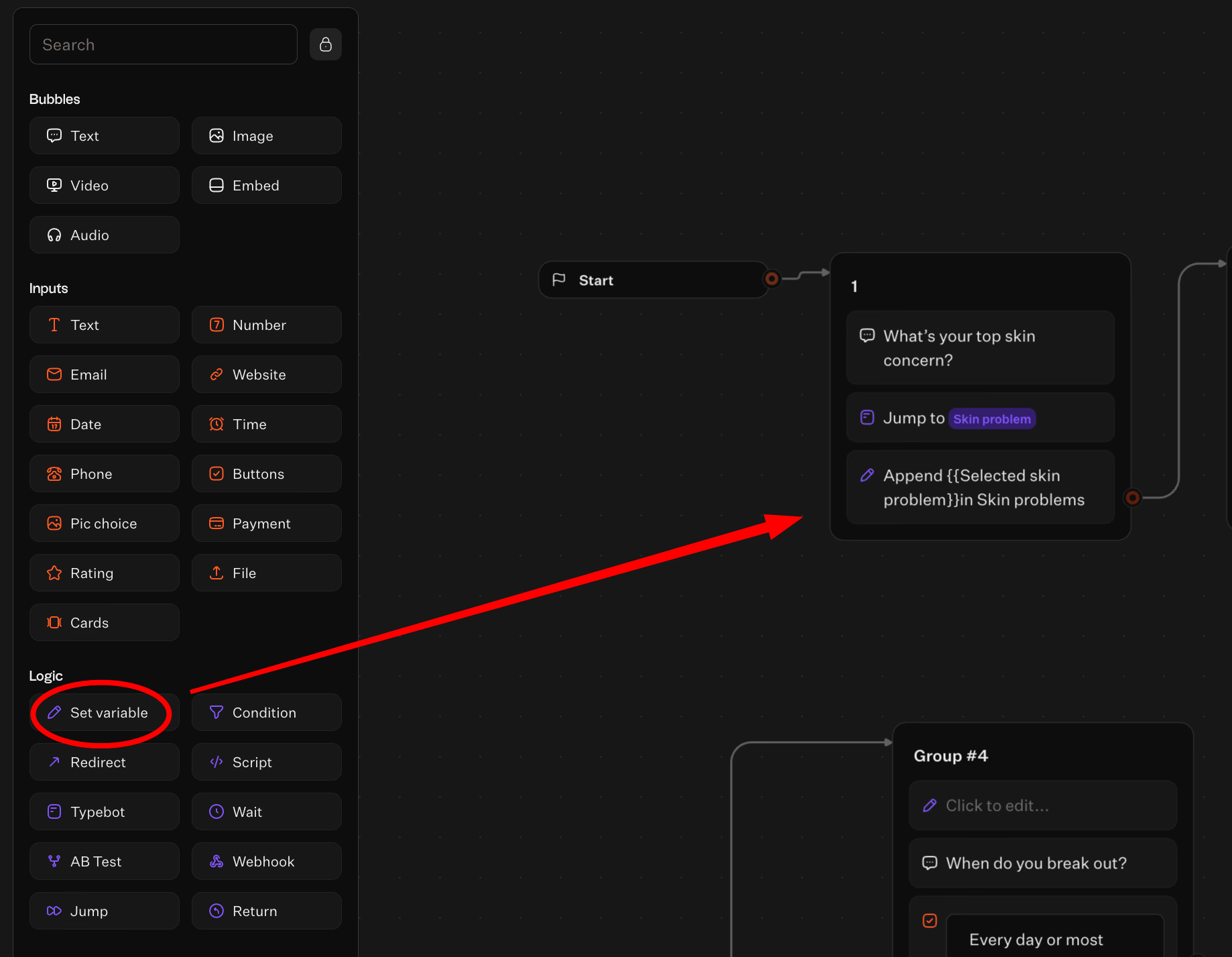
Integrating with your CRM or email marketing platform
Collecting data is useless if it stays trapped in the quiz. To build a real funnel, you must connect this data to your tech stack immediately.
Typebot offers native integrations to manage leads instantly. Sync responses to Google Sheets, Airtable, or NocoDB to build a database of insights. For more automation, connect your bot to email marketing platforms using Zapier or Make.
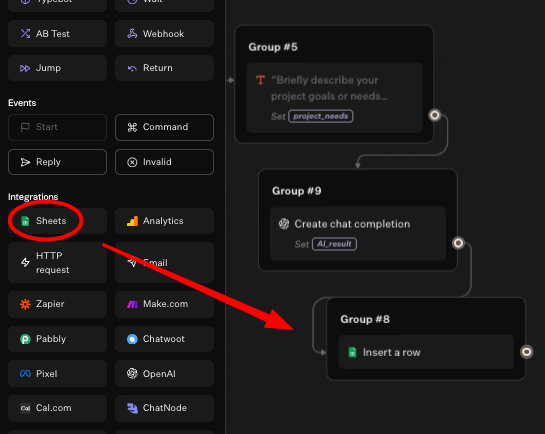
Place an Email input block right before the results. This acts as a gate. When users enter emails, Typebot fires a webhook to your CRM like Salesforce or HubSpot. It can also tag users in your email platform.
This triggers a personalized welcome sequence based on their answers. For example, sending the "Dry Skin Care Guide" to a user who identified their skin type.
Deploying on the right channels like web or WhatsApp
After building your funnel's brain, you need to give it a body. Typebot lets you deploy your quiz wherever users spend time. It’s not limited to static landing pages.
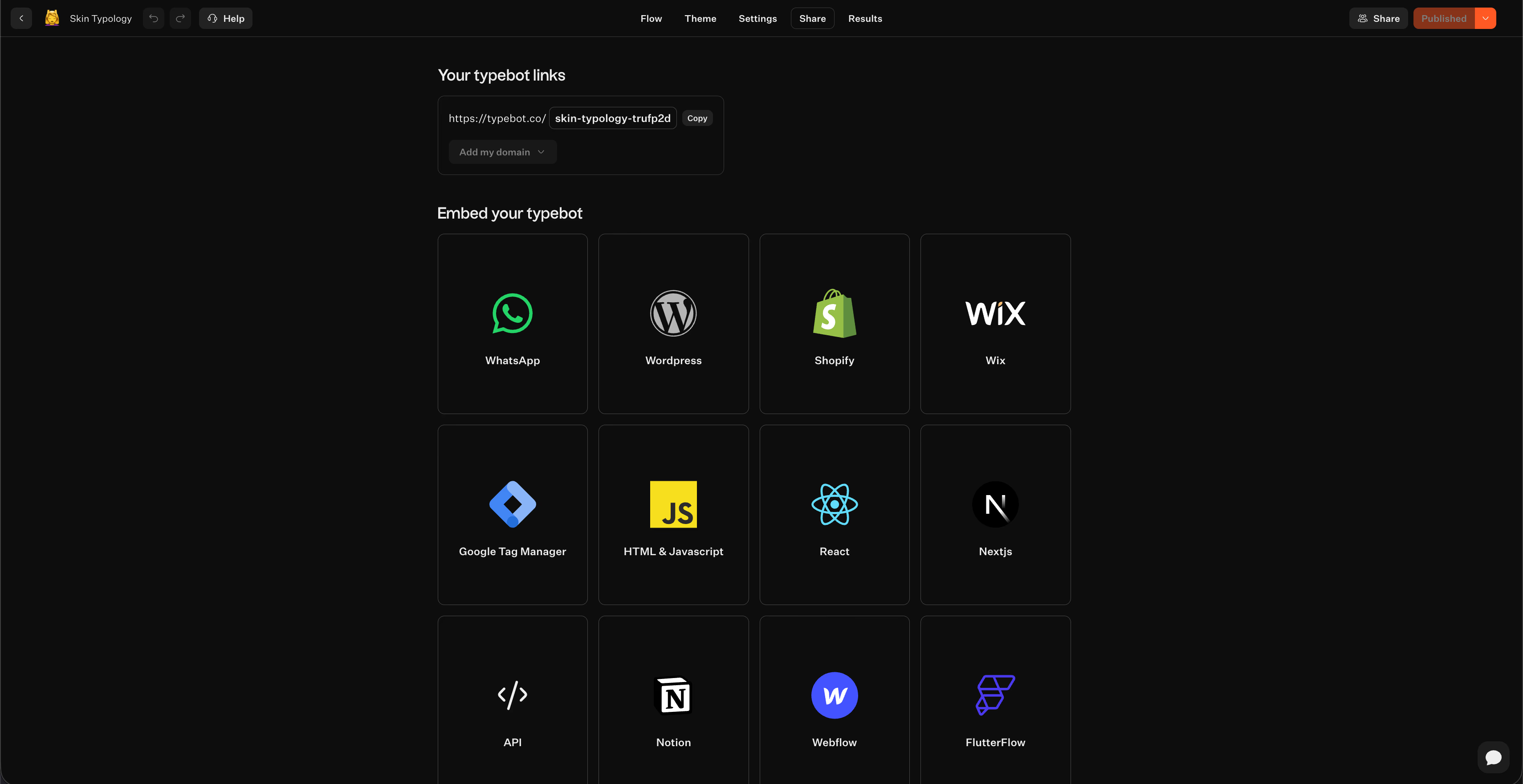
You can embed the quiz on your website in three ways depending on your goals:
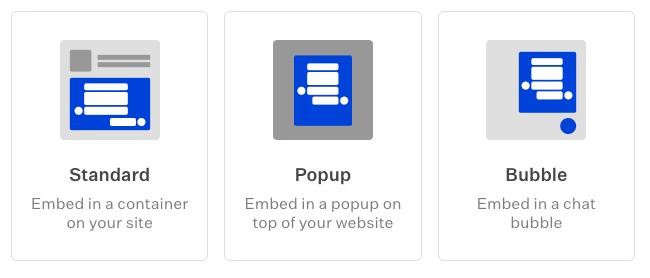
- Standard: Embed directly into a container on your site for a native feel on blogs or product pages.
- Popup: Show the quiz as a popup when a user shows intent.
- Bubble: Place the quiz in the bottom right corner, ready to engage like a friendly assistant.
You can also create a Whatsapp chatbot and deploy. This gives you access to users' personal inboxes. It is fully customizable, keeping branding consistent whether on mobile or desktop. Once live, use built-in analytics to track drop-off rates and optimize the flow for higher completion rates.
Reach your audience where they are. Integrate Typebot with WhatsApp for seamless, personalized communication.
No trial. Generous free plan.
Final thoughts
Quiz funnels work because they flip the script, instead of pushing products, they pull users in with personalized experiences.
The formula stays the same. Whether you're matching customers to the right foundation shade or helping them find their perfect coffee roast.
Engage with curiosity, collect valuable data, and deliver tailored results that make buying feel effortless.